Estate History
Glenarm Castle is the ancestral home of the Earls of Antrim. It was built by Randal MacDonnell, 1st Earl of Antrim, in 1636 and has remained in the family ever since.
The MacDonnell (or McDonnell) family have been in Glenarm since the late 14th Century when John Mor MacDonnell came over from Scotland and married Marjory Bisset, who was heiress to the Glens of Antrim. At that time their castle lay on the other side of the Glenarm river, where the village is today.
The story of the family, with all its trials and tribulations, is closely interlinked with the history of the North Antrim Coast, most notably under warrior chief Sorley Boy MacDonnell who acquired extensive lands and power for the family in the 16th century.
Glenarm Castle was built on its present site by Sorley Boy’s son, Randal MacDonnell, 1st Earl of Antrim in 1636. However only six years later, in 1642, the house was burned by a Scots Covenanter army who were attacking the royalist MacDonnells and so it remained a roofless ruin for over a hundred years.
During this period the Antrim family lived first at Dunluce Castle and later at a house called Ballymagarry, but a wing was built onto the ruin at Glenarm where the family would stay when they were visiting the southern end of their estate which, at its peak, covered roughly 330,000 acres of County Antrim
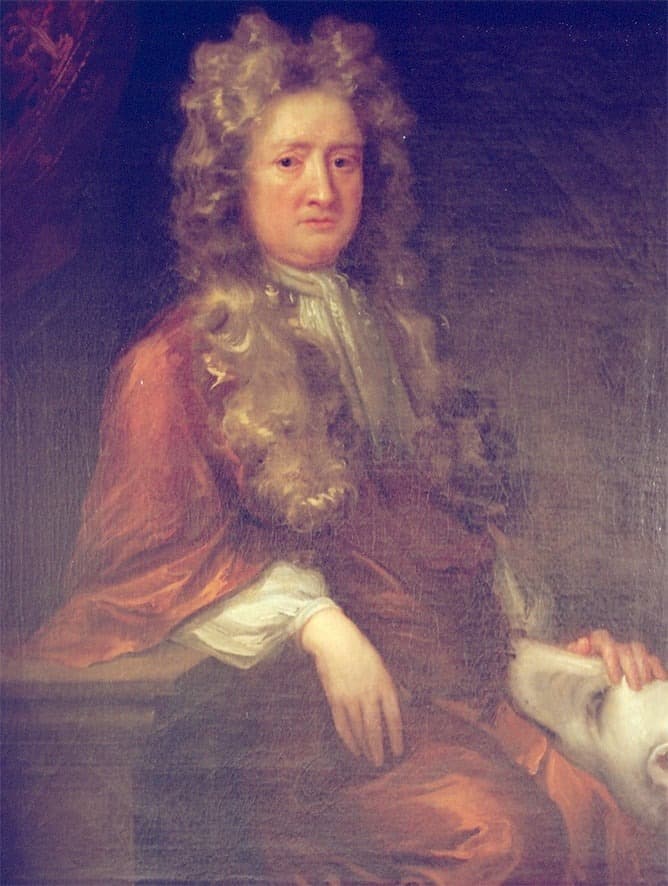
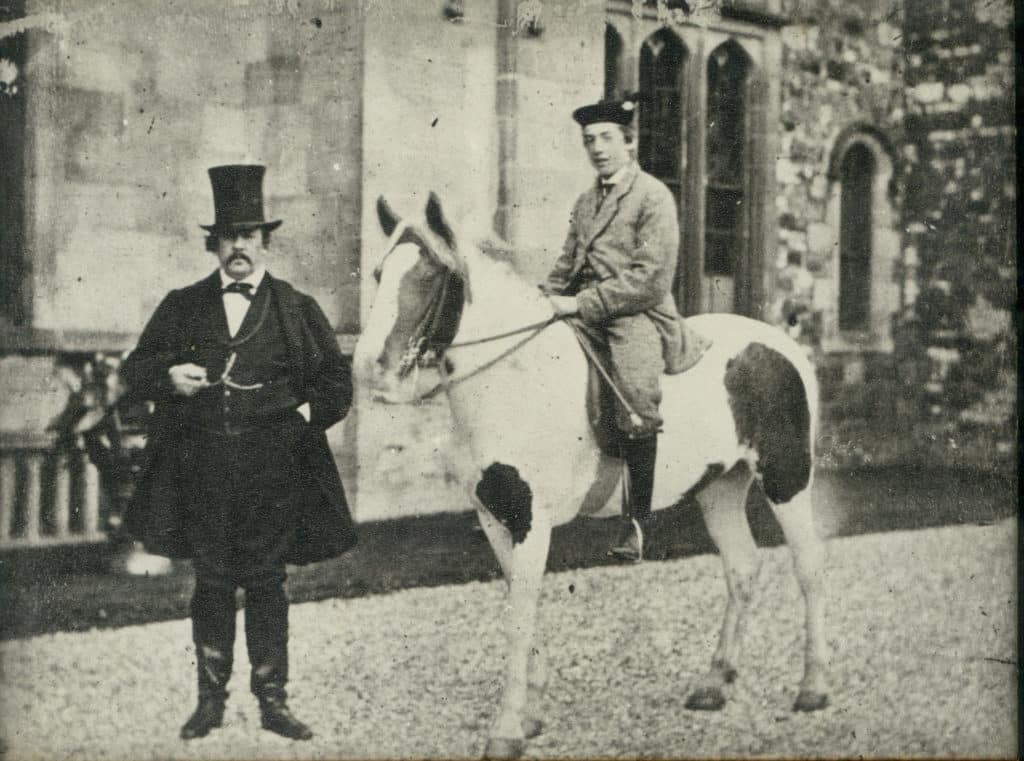
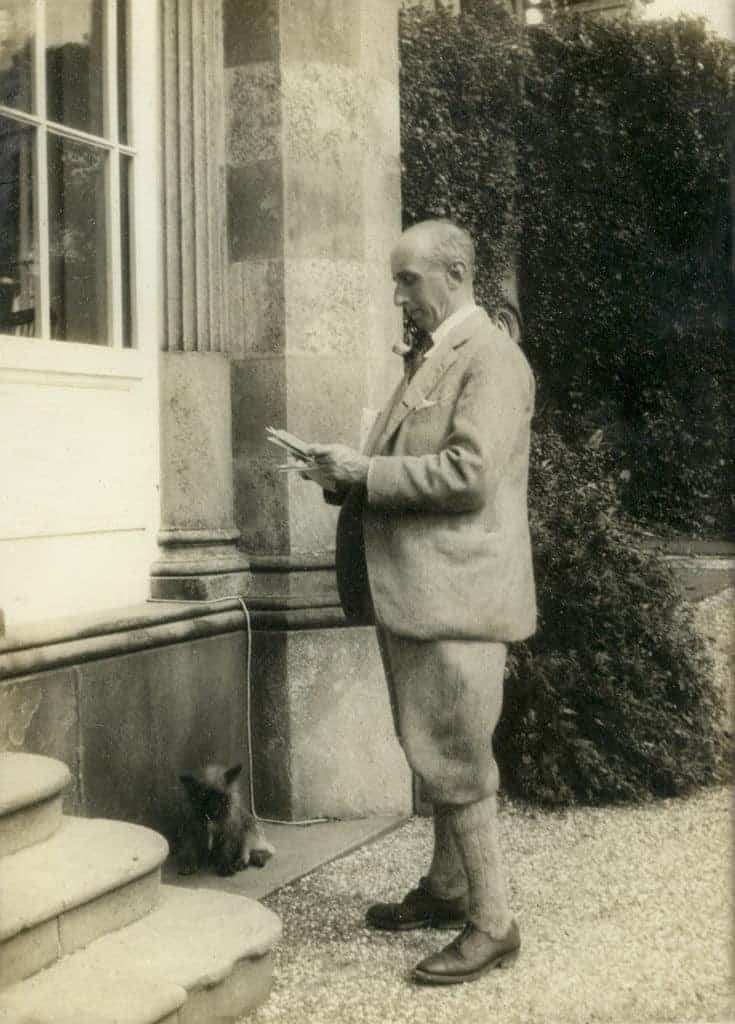
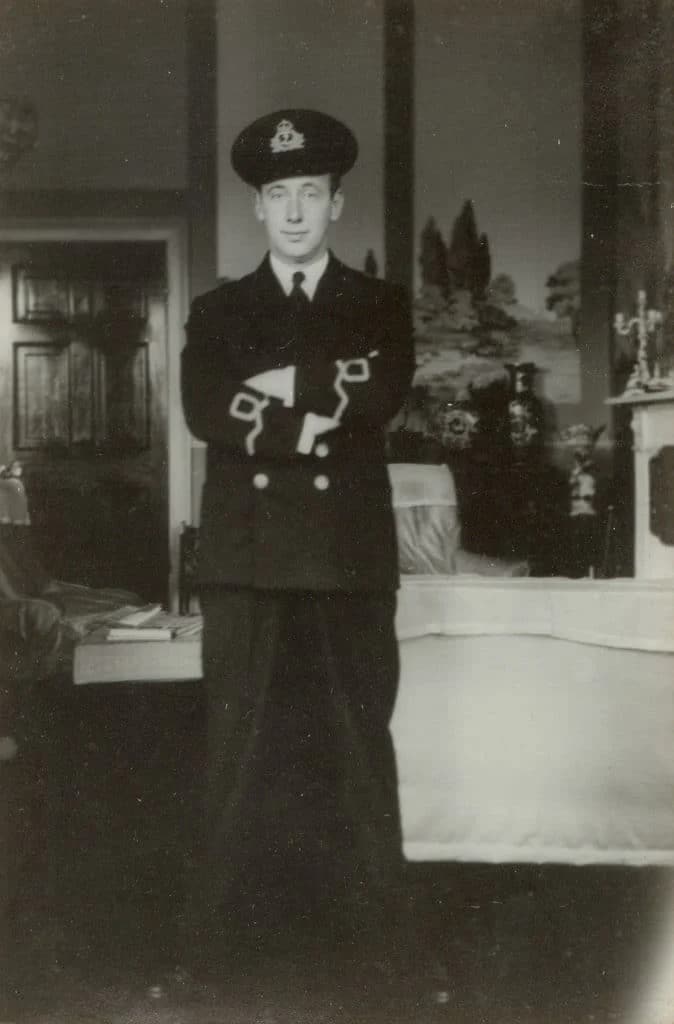
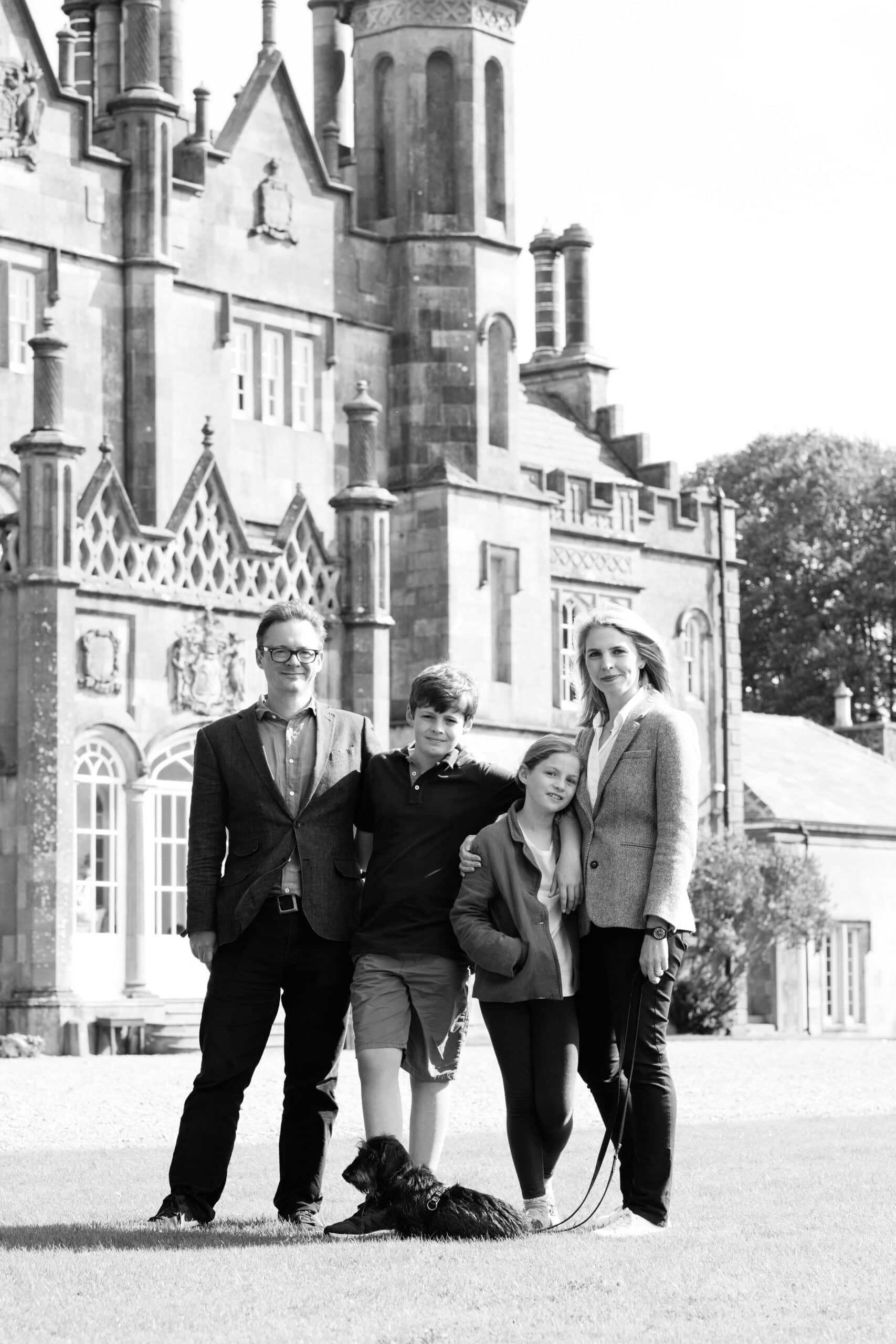
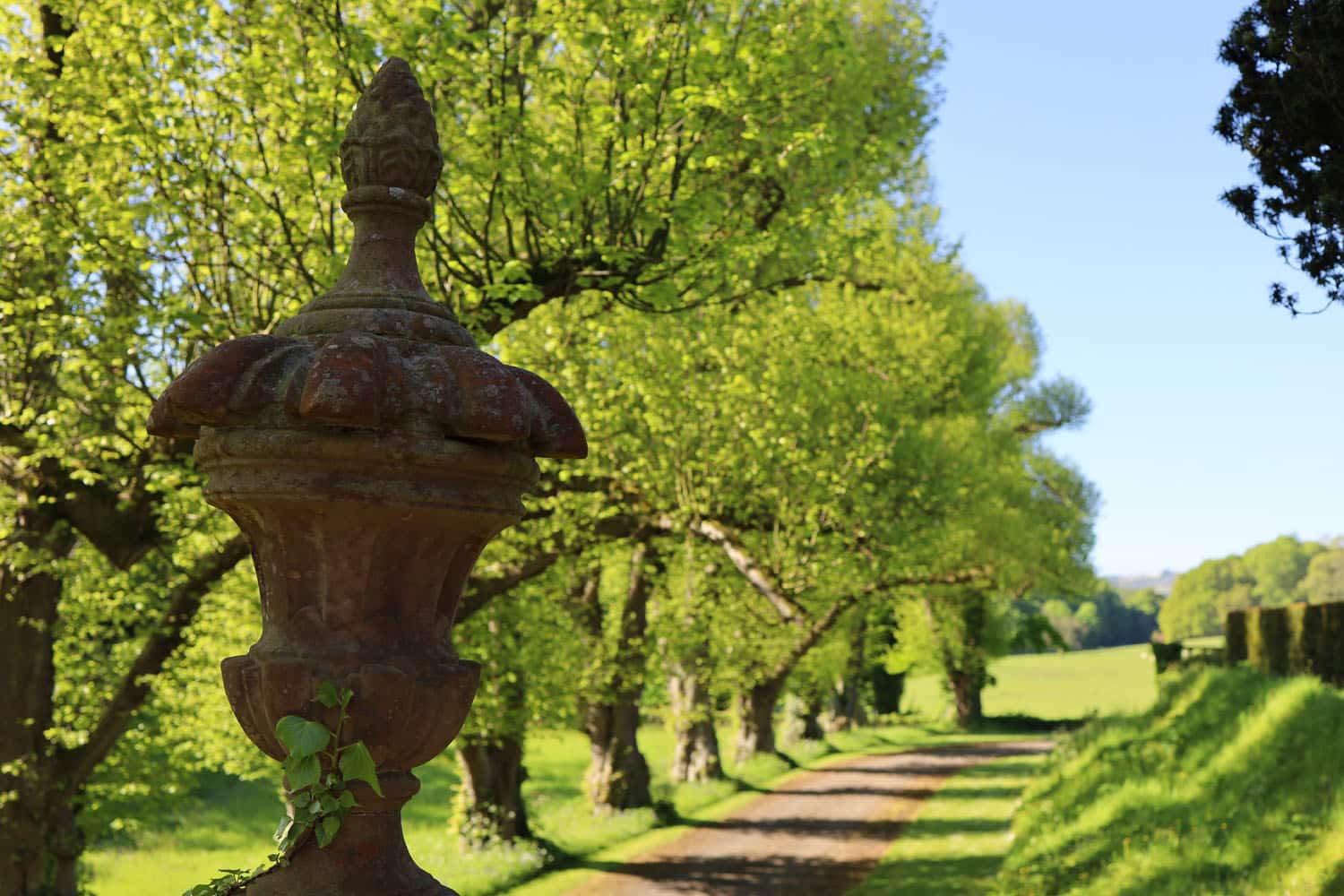
Ballymagarry burned down in 1750, so in 1756 the 5th Earl of Antrim invited an engineer from Cumbria called Christopher Myers to come to Glenarm to rebuild the ruin. Myers transformed it into a grand Palladian country house with curving colonnades ending in pavilions on either side, one of which contained a banqueting room. The lime trees that now arch over the driveway were planted and gardens were planned in a network of walled enclosures. The 6th Earl had even grander plans to extend but when he died in 1791, this all came to an abrupt halt. He left no sons, so his eldest daughter, Anne Catherine, became Countess of Antrim in her own right. In 1799 she married Sir Harry Vane-Tempest, who decided to ‘Gothicise’ the building. The colonnades and pavilions were demolished and Gothic windows installed.
Sir Harry died in 1813, but after Anne Catherine remarried four years later, her new husband Edmund Phelps engaged William Morrison of Dublin, who designed a Tudor Gothic scheme similar to the one he had devised for Milltown House in Kerry. Morrison also castellated the river wall and created the Barbican Gatehouse similar to one he had created for Borris House in County Carlow.
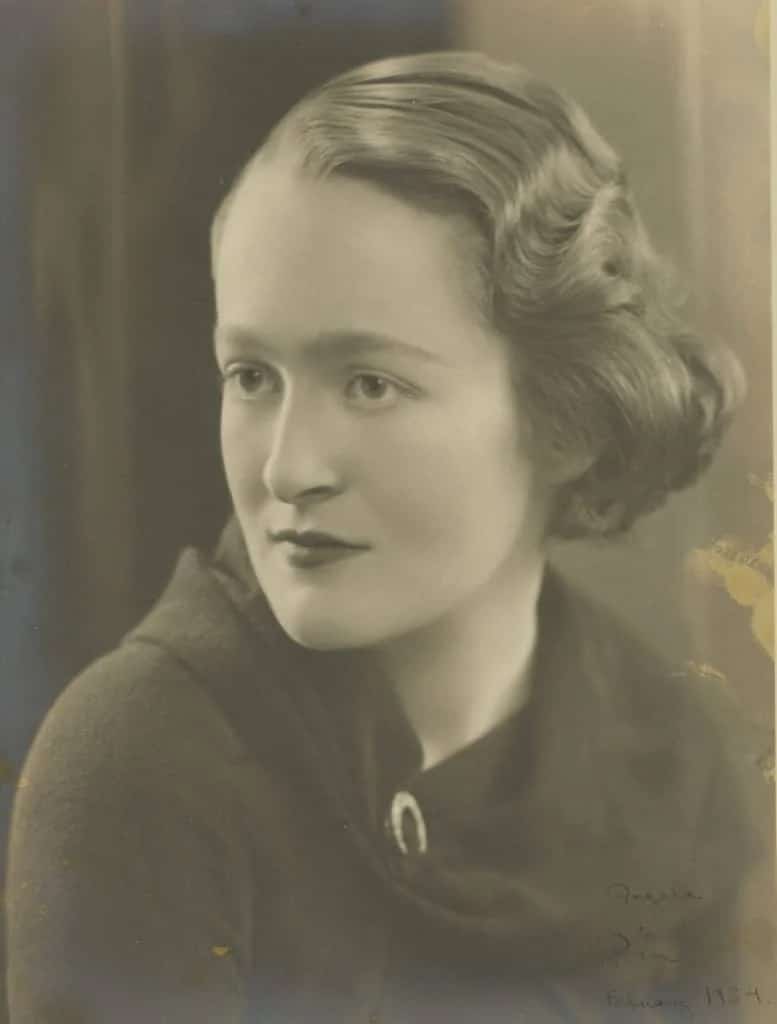
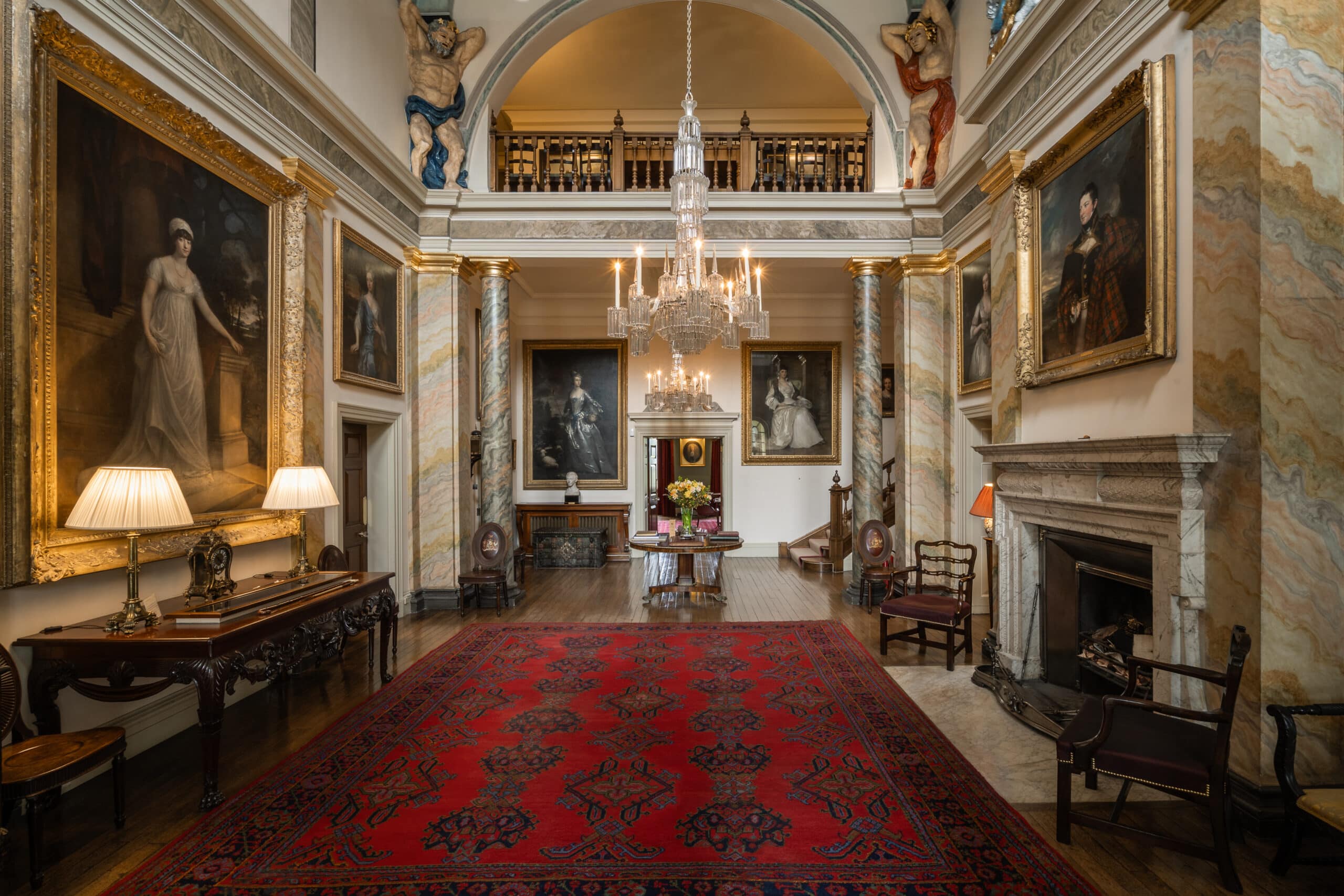
In 1929 a fire gutted the main block. It is believed to have been caused by the housekeeper’s bedroom fire, which she kept going to keep the 11th Earl’s featherless parrot warm. Unfortunately, the reconstruction of the house in the 1930s was a little unimaginative and some interesting features such as the Gothic windows were lost. However, in 1934 Randal, the 13th Earl of Antrim married Angela Sykes a professional sculptor and under the guidance of the author Robert Byron she started sculpting the nine planets as caryatids in the hall. She subsequently turned her attention to other rooms of the house, painting walls and cornices with her interpretations of family history and classical mythology.
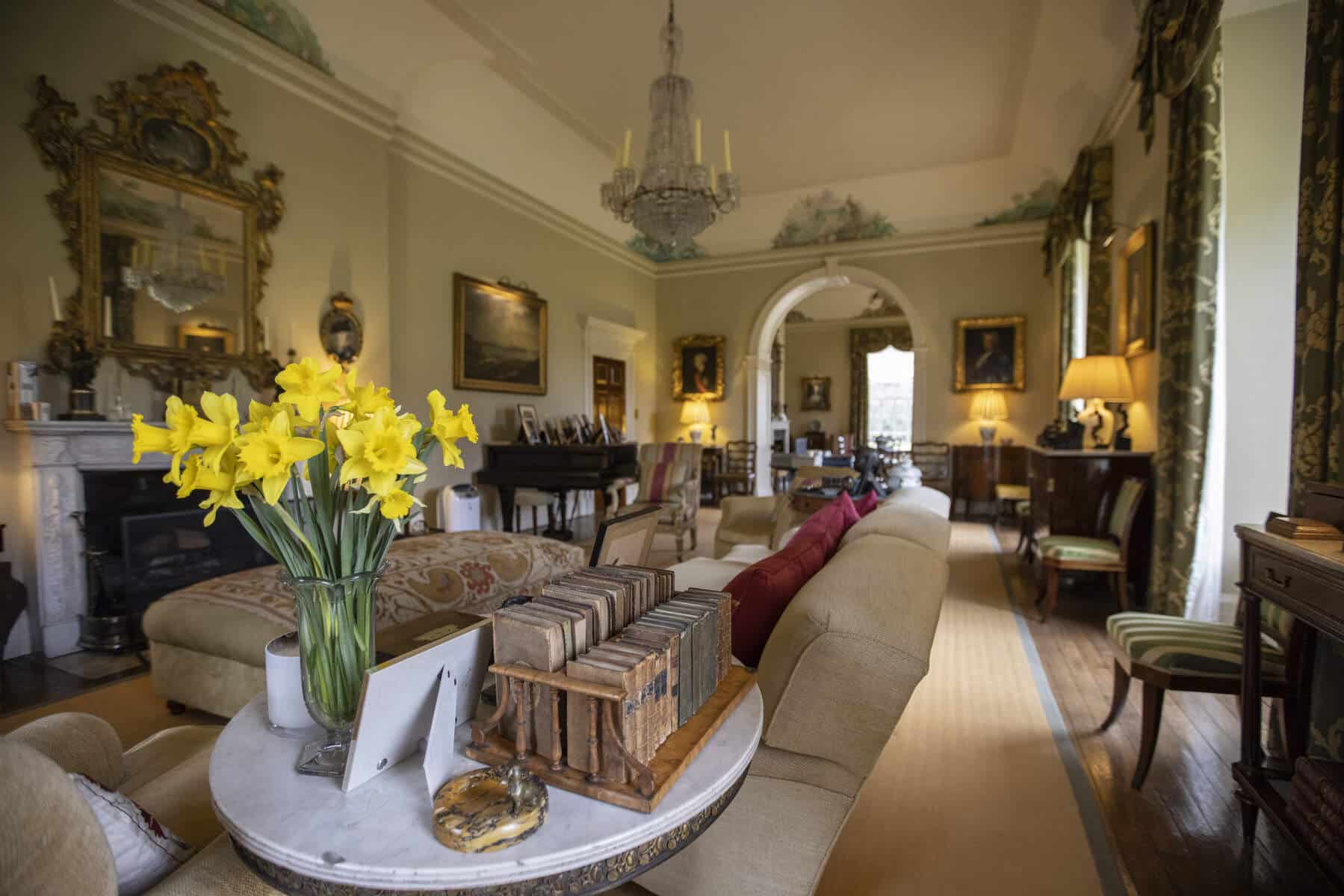
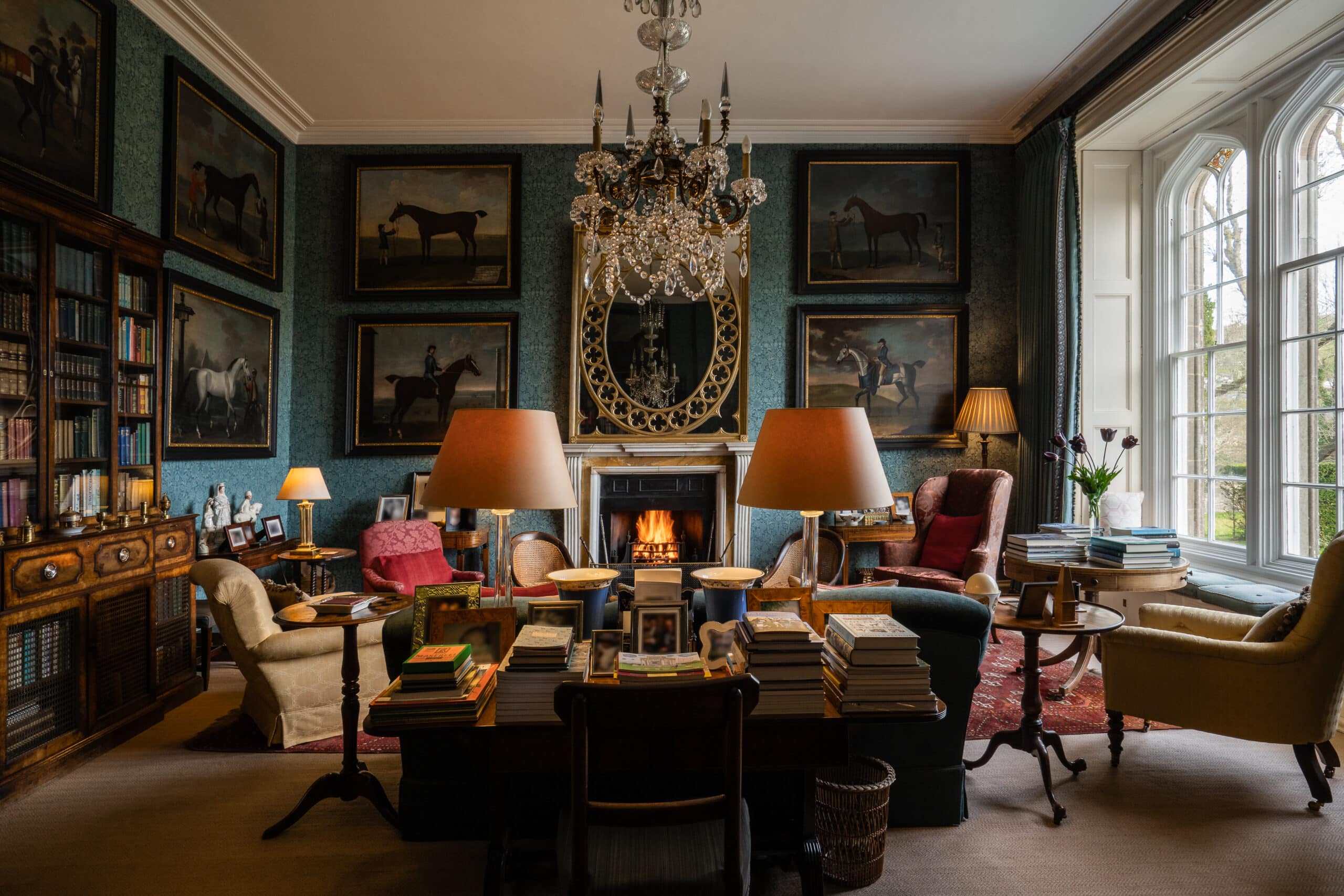
William Morrison’s wing was largely destroyed by another fire in 1967, although the old kitchen survives as the family’s private kitchen, the only room to be in continuous use since the early 18th century. Today the castle is home to Randal and Aurora McDonnell, the 15th Earl & Countess of Antrim and their children.
You can find out more about the family’s history when you visit our Antrim McDonnell Heritage Centre.
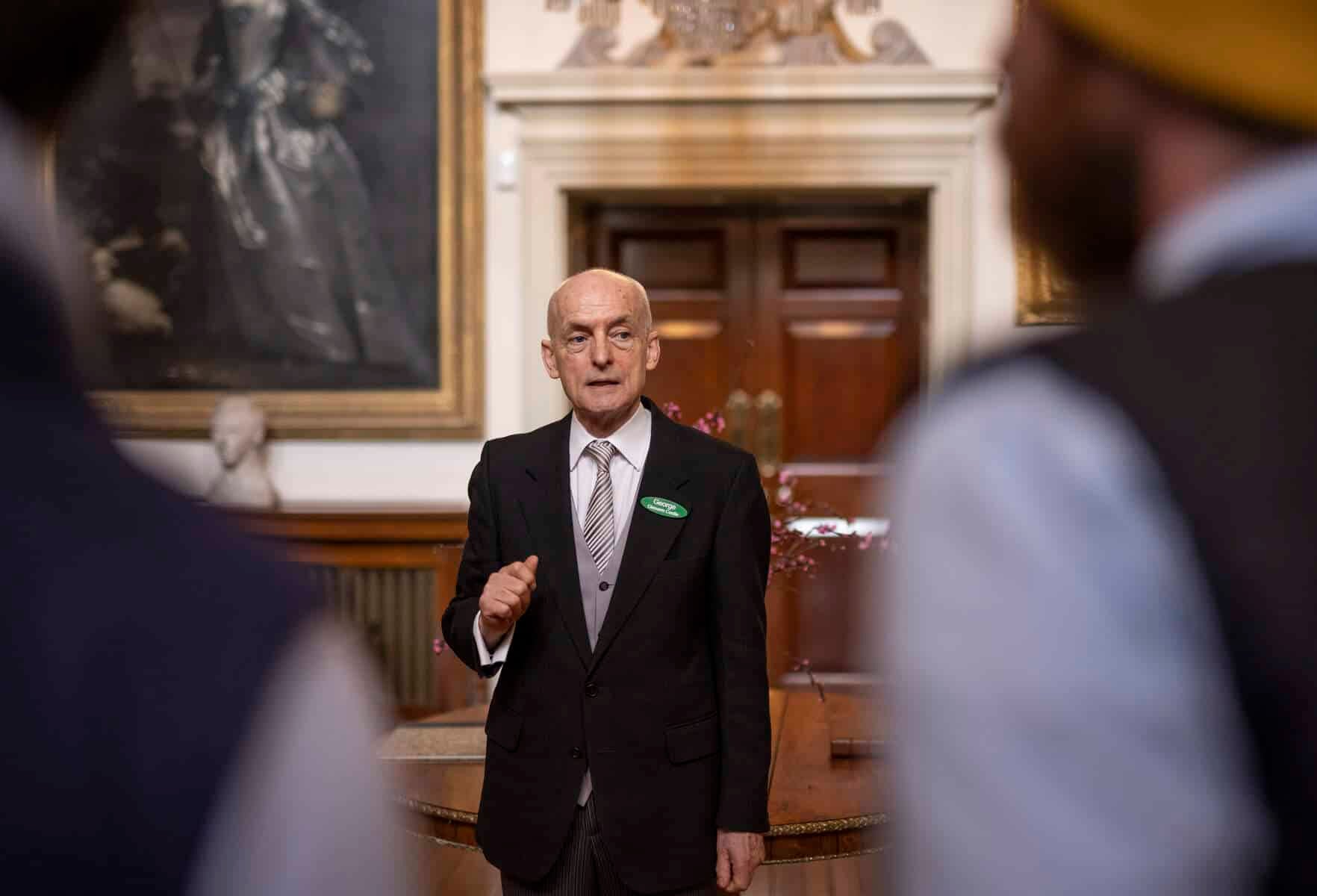
Book a Castle Tour
Booking for a group?
Walled Garden
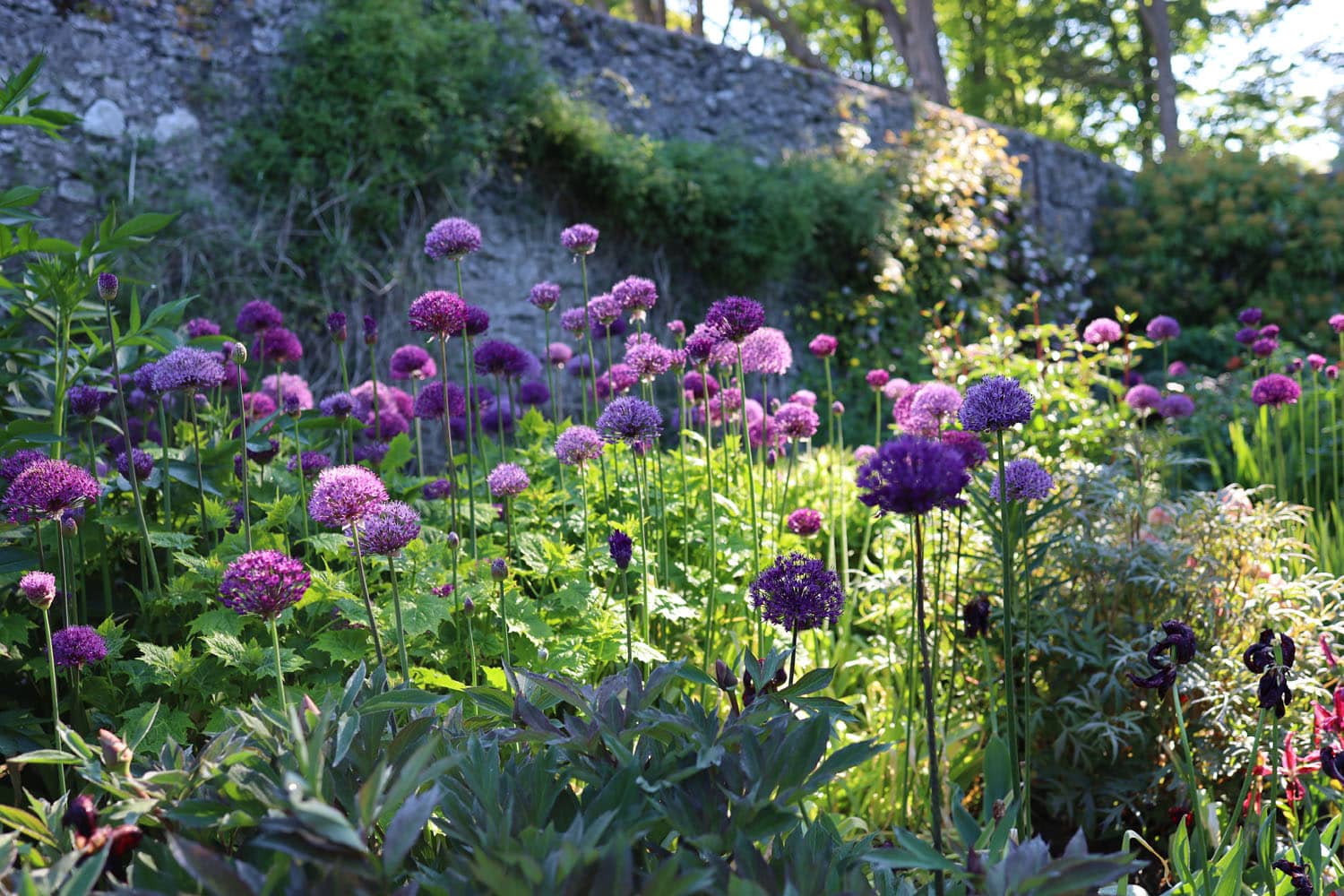
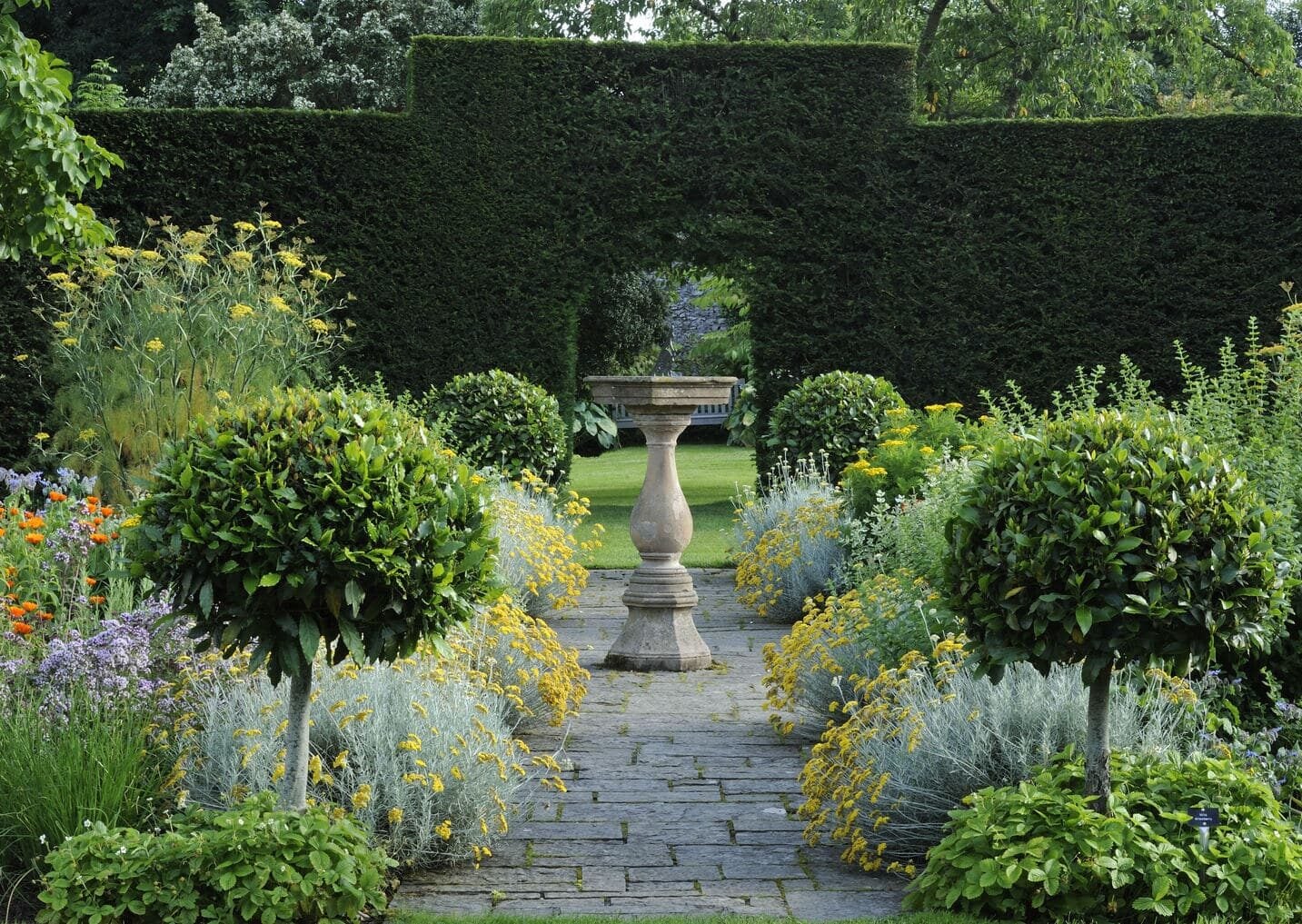
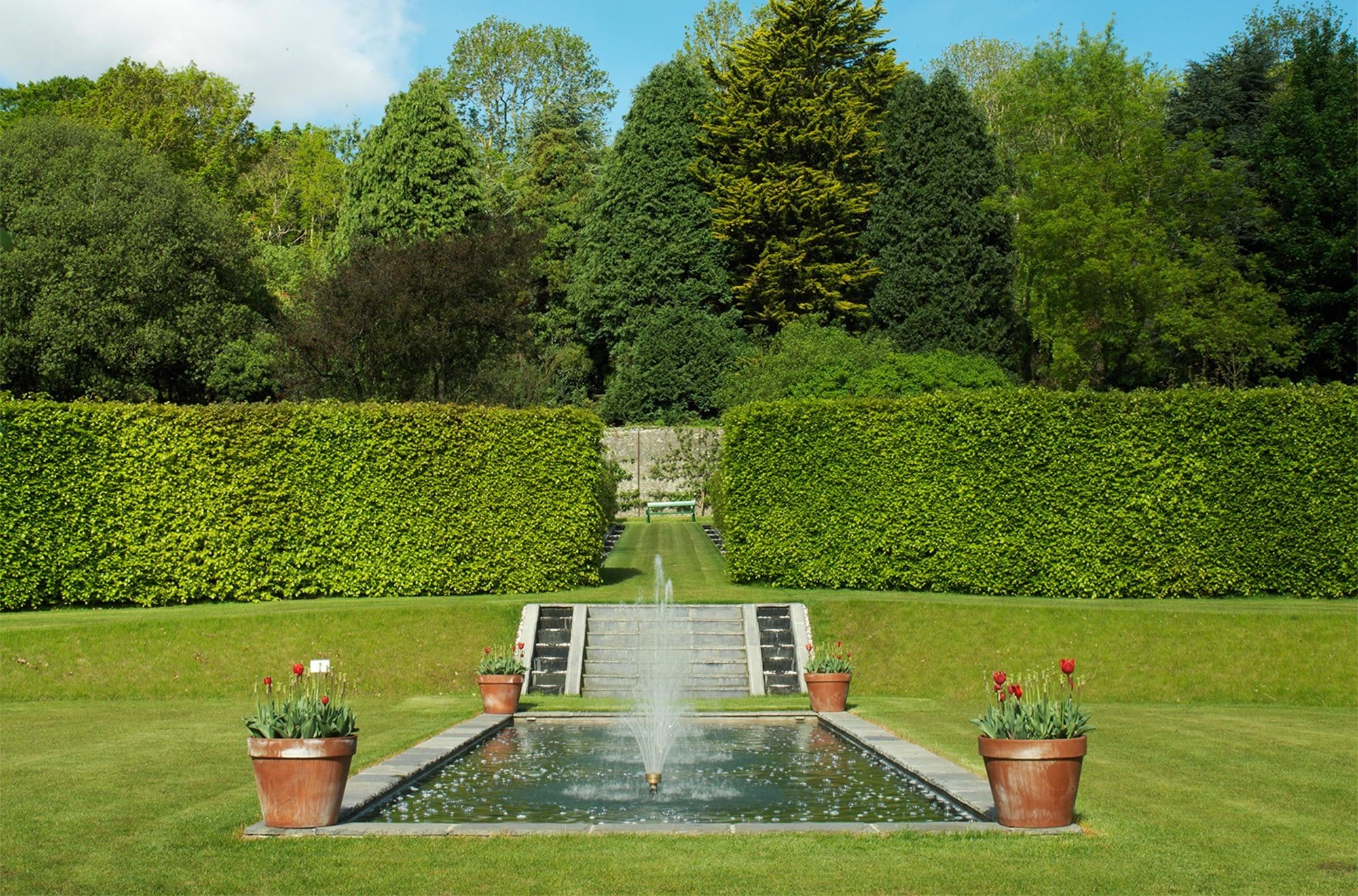
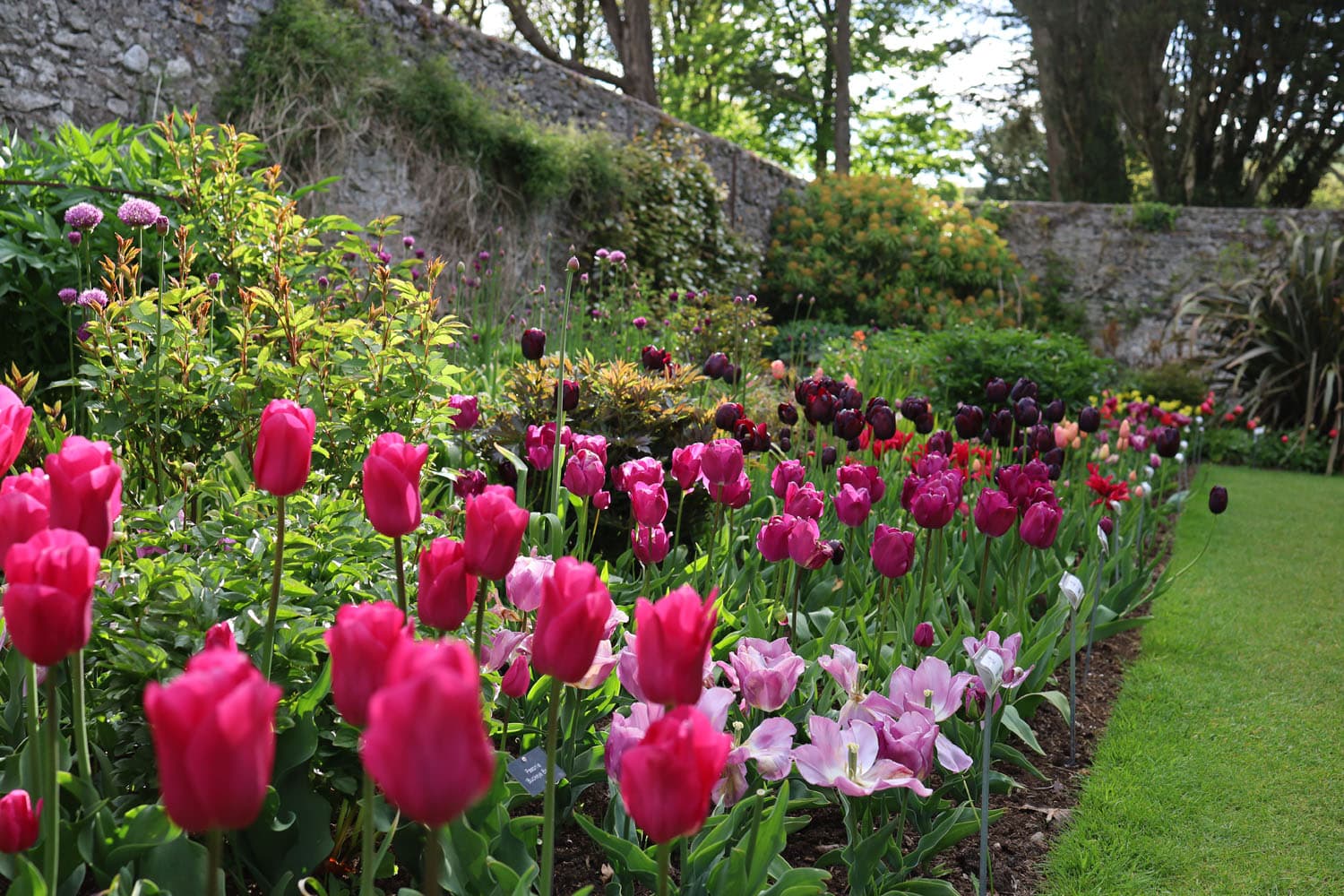
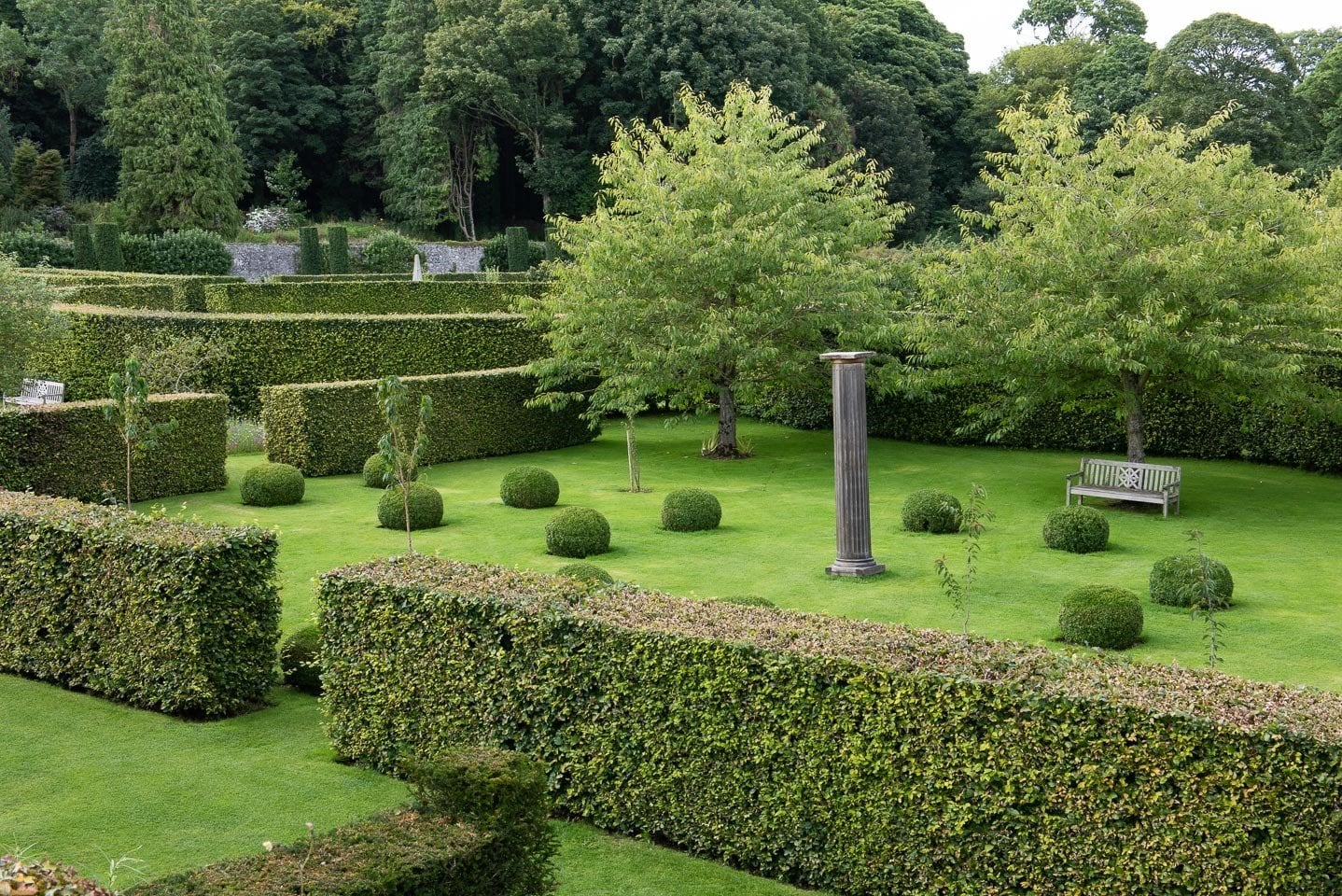
Originally created in the 1820s, in recent years the Walled Garden has been fully re-imagined, re-designed and restored by Lord and Lady Antrim to create a garden full of colour, scent and beauty. In 2023, following a national public vote, it was named Historic Houses Garden of the Year.
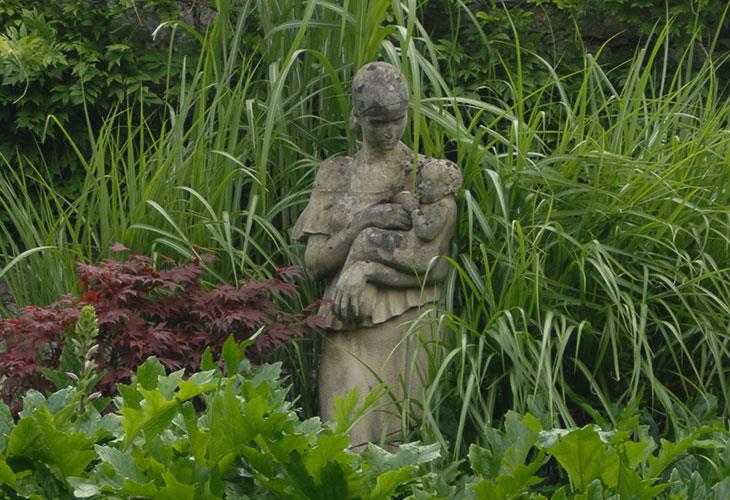
While the Walled Garden was originally cultivated to provide the estate with its fresh fruit, vegetables and cut flowers; today the garden still echoes its original productive purpose but in a more ornamental style with vibrant herbaceous borders, decorative fruit gardens and a beautiful potager style vegetable garden – all planted in a way that guarantees colour from early spring until the end of October. Other features include a Mount from which one can see across the North Channel to Scotland; one of Ireland’s largest Victorian glasshouses still in use; water features as well as sculptures and locally crafted oak structures. Here there is something for everyone; from those just looking for a relaxing stroll among lovely surroundings to the keenest plantsman and garden enthusiast.